
Grilling is not just seasonal for many, but year-round is south, and we know how much you enjoy grilling food outdoors. But did you know that some pesky insects and critters like to hang out around your barbecue grill too? They also love to make themselves comfortable while cooking food. Unfortunately, it means they might end up in your food, making it unsafe for consumption.
Read on to find out how to avoid that happening and what to do if you get an out-of-control infestation.
What Type Of Pests Inhabit Grills?
Many types of pests inhabit homes and gardens. So it’s worth noting if you find one of these crawling around your grill.
Rodents
Rodents are common pests in most sorts of buildings. They can carry several serious diseases. These include plague, typhus, salmonella, and hantavirus. In addition, rodents can cause property damage. Trapping rodents is the most effective way to prevent the transmission of disease.
Insects
Many insects are considered pests. This is because they can cause problems such as creating unsanitary conditions and spreading disease. There are several different varieties of insects that inhabit grills. Not all are bad, but you should take some seriously.
Insects in Your BBQ Grill
Our focus is on cockroaches, but what other insects can be found in grills?
Cockroaches
Whether you call Cockroaches “Palmetto bugs” or “Water bugs”, the fact is, they aren’t just gross. They’re also carriers of dangerous bacteria like Salmonella, E. coli, and Giardia. And while some people might think it’s easy enough to clean up cockroach droppings, there’s a lot you should do to ensure you don’t spread germs. These are the most harmful insects in and around your grill.
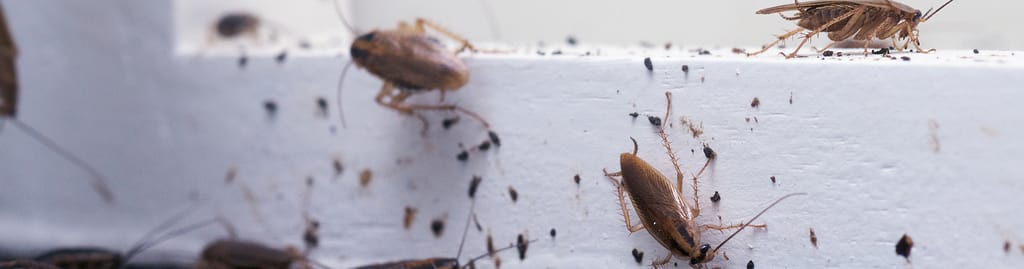
The Center for Disease Control and Prevention (CDC) estimates that one out of every three Americans carries salmonellosis, caused by eating food contaminated with the bacterium Salmonella enterica serotype Typhimurium. Most cases of salmonellosis are mild, but about 16 million people become ill each year.
E. coli infections are another common problem. The CDC estimates that over 200,000 people contract E. coli every year. Symptoms include diarrhea, vomiting, abdominal cramps, fever, and bloody stool.
Giardiasis is a parasitic infection caused by a parasite in the small intestine called Giardia lamblia. People usually catch giardiasis from ingesting water containing cysts — the infectious form of the organism — from human waste. Giardiasis symptoms include nausea, bloating, stomach pain, fatigue, and weight loss.
While cockroaches are often associated with dirty kitchens, they’re found everywhere. “They live in sewers, basements, attics, and even inside homes,” says Dr. Christopher Burt, an entomologist, and professor at North Carolina State University. “They’re very hardy.”
Ants
Ants are a nuisance pest because they eat plants, crops, and other foods. In addition, they can create an unsanitary environment by leaving their feces on food and surfaces. Ants can also transmit diseases like E.coli, Shigella, and Salmonella.
Flies
Flies are annoying pests that can carry diseases like typhoid fever, cholera, yaws, anthrax, tularemia, leprosy, and tuberculosis. Flies can also contaminate food and drinks with fecal matter.
Mosquitoes
Mosquitoes are blood-feeding insects that transmit viruses and parasites. Mosquito bites can cause itching, rashes, and other skin irritations.
Why Are Pests Attracted To Grills
Grill owners are often frustrated when they find rats running around their grill or dead bugs under it. But why do pests choose to nest inside the grill cavity?
Why Insects Love Grills
The answer lies in how much heat they prefer. Insects are attracted to heat as it’s how they regulate their body temperature. When temperatures are too hot, insects tend to move away. When they’re too cold, they seek warmth.
Insects are attracted to heat but aren’t necessarily drawn to one type of heat source over another. For example, some species prefer to live near fireplaces, while others enjoy living beside stoves. So what happens when you put both types of heat sources together? An insect buffet!
Insects are also wildly attracted to the scent added to propane gas, only adding to their excitement for your BBQ grill.
Why Rodents Love Grills
Rodents and other critters love grills because they provide a warm, dry place to hide during the day. They can even use the grill as a way to get into your home if you leave the door open.
Rodents are also attracted to the smell of meat cooking. They will also scavenge any food sources spilled inside or around the grill. If you have rodents in your house, try placing a piece of bacon or sausage on top of the grill grate before you start, just in case there are rodents inside!
Other critters might choose your grill to hibernate in during the winter. Or they might be in search of food beforehand. It’s why winterizing your grill is so essential.
Preventing Nesting in Grills
If you want to keep pests away from your outdoor cooking equipment, there are some things you can do. First, make sure you store your grill indoors during the winter months if you can. If you live in an area where temperatures drop below freezing, you’ll want to cover your grill with a tarp or blanket. It is normally referred to as winterizing your grill.
You can also place a piece of plywood over the grill grate to prevent critters from entering. When summer rolls around, clean off the grill and check for nests, holes, or other signs of nesting animals such as squirrels or birds. Remove anything suspicious, including bird droppings, feathers, seeds, and sticks. Finally, clean the grill grates regularly to remove bugs and debris.
When it comes to pests and grills, prevention is better than trying to get rid of them after they arrive.
Ways to Keep Rodents Away Naturally
Rodents can cause severe problems if they enter your home. Mice are the main culprits, though some areas have issues with rats. With mouse infestations, they chew wires, damage furniture, and spread disease. If you want to keep rats and mice clear of your grill, there are many things you can do.
1. Keep Your Grill Clean
If mice find food and shelter in your grill, it won’t take long for them to multiply. Keeping your grill clean helps prevent mice from entering your grill in the first place. You can also keep them away from your grill by keeping them away from your home. Doing this includes tidying up clutter, keeping trash cans covered, and ensuring there aren’t places where rodents could hide.
2. Use Mouse Traps
Mouse traps work well because they don’t harm rodents. However, you shouldn’t use live traps like glue traps as they can injure the animal. Instead, buy humane mouse traps.
These traps lure the rodents in with peanut butter, cheese, or bread crumbs. Once the mouse gets caught, it will be stuck inside the crate of the trap, and you can safely relocate it far from your home in the wild.
3. Seal Cracks In Your House
Cracks in your walls and floors allow mice access to your home. You can seal cracks by filling them with caulk. Make sure to apply generously.
How to Keep Cockroaches Away Naturally
Cockroaches are one of those creatures that most people hate. They’re dirty, annoying, and just plain gross. But did you know there are natural ways to keep them away? Here are some everyday household things that can get rid of roaches naturally.
Peppermint Oil
Peppermint oil contains menthol, which makes it very effective against insects. You can mix up a spray bottle full of water and add drops of peppermint oil. Then, spray it around where you think the roaches might be hiding.
Cedar Wood Oil
If you want something a little stronger, try mixing up a solution of cedarwood oil and water. Cedarwood oil is insecticidal, so it could help kill off the bugs. Mix equal parts of cedarwood oil with water and apply it directly to the area where you suspect the roaches are hanging out.
Bay Leaf
You can make a homemade bug repellent by adding bay leaves to a mixture of water and sugar. Bay leaves contain eucalyptus oil, which is toxic to many pests, including cockroaches.
Add two tablespoons of sugar to 4 cups of warm water. Then add a handful of dried bay leaves. Let it sit overnight. In the morning, strain out the bay leaves and discard them. Now you’ve got a nice, pleasant-smelling bug repellant.
Borax and Sugar
A mixture of borax (sodium tetraborate decahydrate) and sugar will kill off cockroaches. Mix equal parts of borax and granulated white sugar and place it around the house or grill area where you see roaches. Leave it there for 24 hours before checking again.
If there are no signs of life, repeat the process every week. Just make sure to clean off the solution properly before using your grill!
Diatomaceous Earth (DE)
Diatomaceous earth is a natural product used for pest control. It is derived from fossilized algae. Sprayed on plants or sprinkled around your grill, it helps prevent roach infestations. The best part is that DE is entirely natural and harmless to people and animals.
Coffee grounds
Coffee grounds are one of the best things to keep roaches away from your grill. They hate the smell! When you grind coffee beans, they release carbon dioxide gas, which repels roaches immediately.
Cayenne, Garlic, and Onion Powder
Cayenne pepper is excellent for keeping roaches away. You sprinkle some on plants, soil, and even food. Garlic powder is another excellent choice. And onion powder works well too. All three are natural insecticides. So keep them handy around your grill and say goodbye to those pesky roaches.
Ways To Avoid Bugs In Your Grill
Pests are everywhere, including in our homes and yards. So instead of focusing on keeping them away when they’re around, here are nine tips to avoid bugs living in your backyard and ultimately away from your grill.
1. Check your yard for signs of pest activity.
You might see excessive ants crawling across a deck or find an accumulation of dead insects near your grill.
2. Clean up any debris around your yard
Remove clutter, such as old newspapers, toys, and piles of leaves. These items provide hiding places for pests.
3. Mow your lawn frequently
Tall grasses and weeds offer shelter for pests. Regular mowing keeps your lawn clean and helps eliminate hiding spots.
4. Clear out your gutters
Gutters collect rainwater and debris, which attracts pests. Take care to ensure that your gutters remain free of blockages.
5. Plant attractive landscaping
Plants attract beneficial insects, which eat harmful ones. Choose easy plants that grow well in your area and require minimal maintenance. Avoid planting flowers that bloom quickly; they’re likely to die off soon after blooming.
When To Call A Professional
There comes the point when you have to call a professional. Don’t delay when either of these happens: Call the relevant authority.
1. If You Suspect Disease Or Contamination
Rodents, birds, and many insects are carriers of human transmissible diseases. Contact a professional pest control company immediately if you suspect a rodent or insect infestation.
Throw away any contaminated food. Do not eat anything that the creatures in question might have touched.
2. If You Need To Remove Critters Humanely
Humane removal of wildlife is a necessary part of pest control. While some animals can live outdoors, most require protection during the winter months.
Trapping is one option, but it isn’t easy to locate certain types of animals. Some animals, such as white-footed mice and deer mice, can be captured without harming them. If you need to remove critters humanely, contact a professional wildlife removal service.
Grilling In Harmony
In conclusion, if you have rodents or roaches in your grill, you should call someone immediately. Rodent infestations can cause serious health problems, including salmonella poisoning, which can even cause death. Roach infestations can also spread disease, especially where we make food.
You can try to prevent an infestation using natural repellents and methods. Still, if you see any signs of rodent or roach activity around your grill, you should take care of it immediately. Grill in harmony with nature: Take the necessary precautions and understand what attracts pests to your patio grill.